What a basement waterproofing job costs to price
Linear feet of drain, the pump, how many cracks and what has to come off the walls.
Read the guideWet basement, failed sump or a crack that leaks? Have the street address and what you're seeing ready.
Call (XXX) XXX-XXXX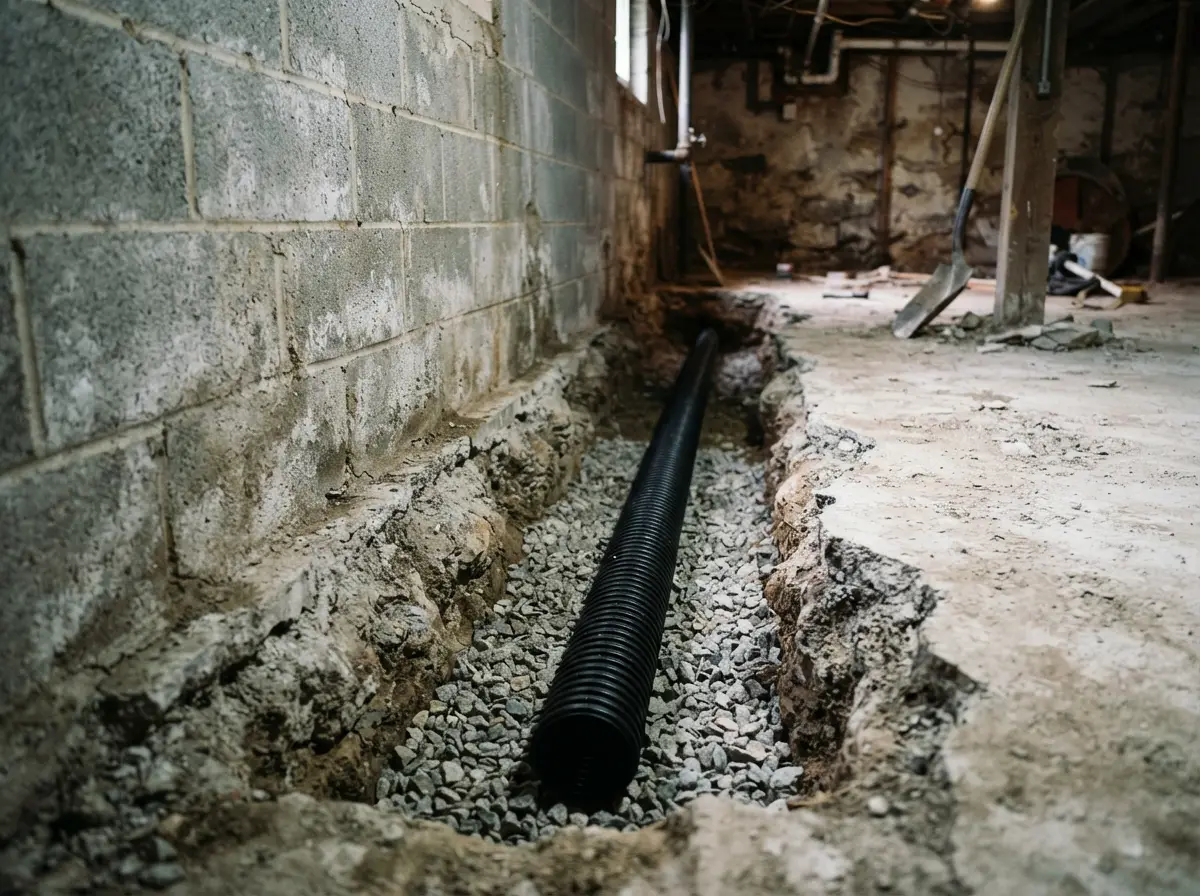
Basement waterproofing
Spring thaw and summer cloudbursts push groundwater through old stone and block walls here. Call, and a contractor traces the leak and prices the fix in writing.
Where the water gets in
Bucks County Waterproofing sets up basement waterproofing, sump pump work and foundation crack repair for houses across Bucks County, from the river towns of Lower Bucks to the farmland around Quakertown. The fix depends on the wall and the spot.
Call to dry floor
Say where the water shows up, whether it comes with every rain or only big storms, and roughly when the house was built.
We set a time for a waterproofing contractor to walk the basement, open the sump, and check the downspouts and grade outside.
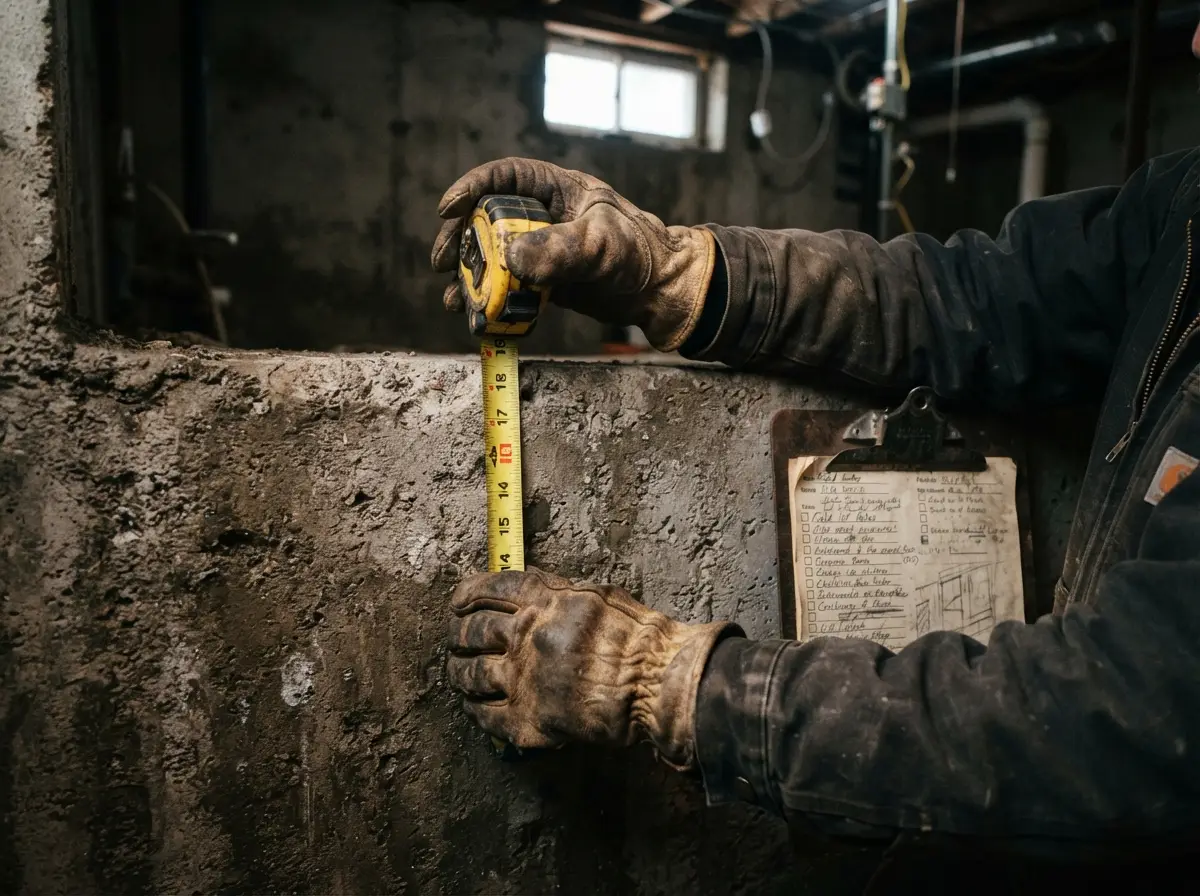
Feet of drain, the pump and pit, each crack and any wall finish that has to come off, written down first. You only pay for work you agreed to.
The system goes in, water gets run into the drain to prove it reaches the pump, and the basement stays dry through the next storm.
Services
Interior drain tile along the footing, a sealed sump and a wall membrane, sized to how much water the walls take in a wet spring.
What the job covers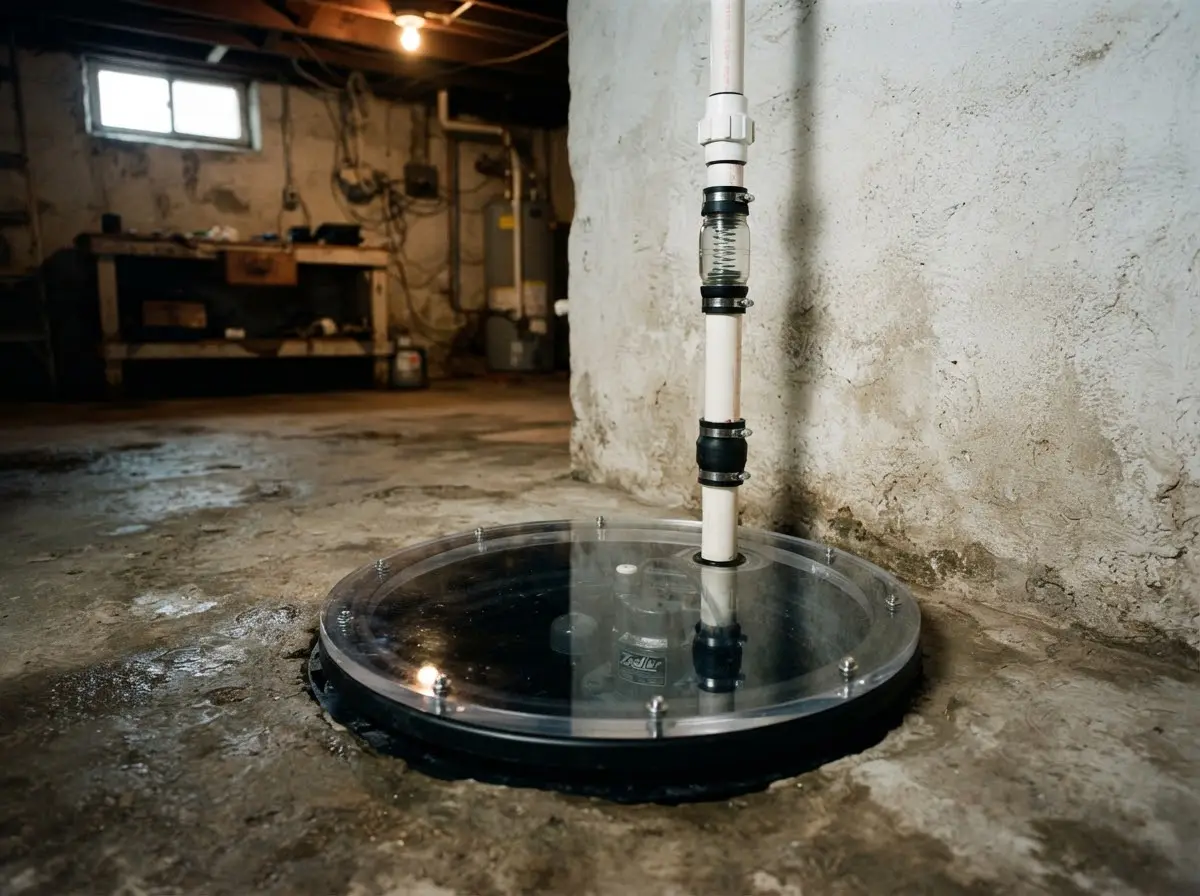
New pits, replacement pumps, battery backups and discharge lines run where they won't freeze or flood the neighbor.
What the job covers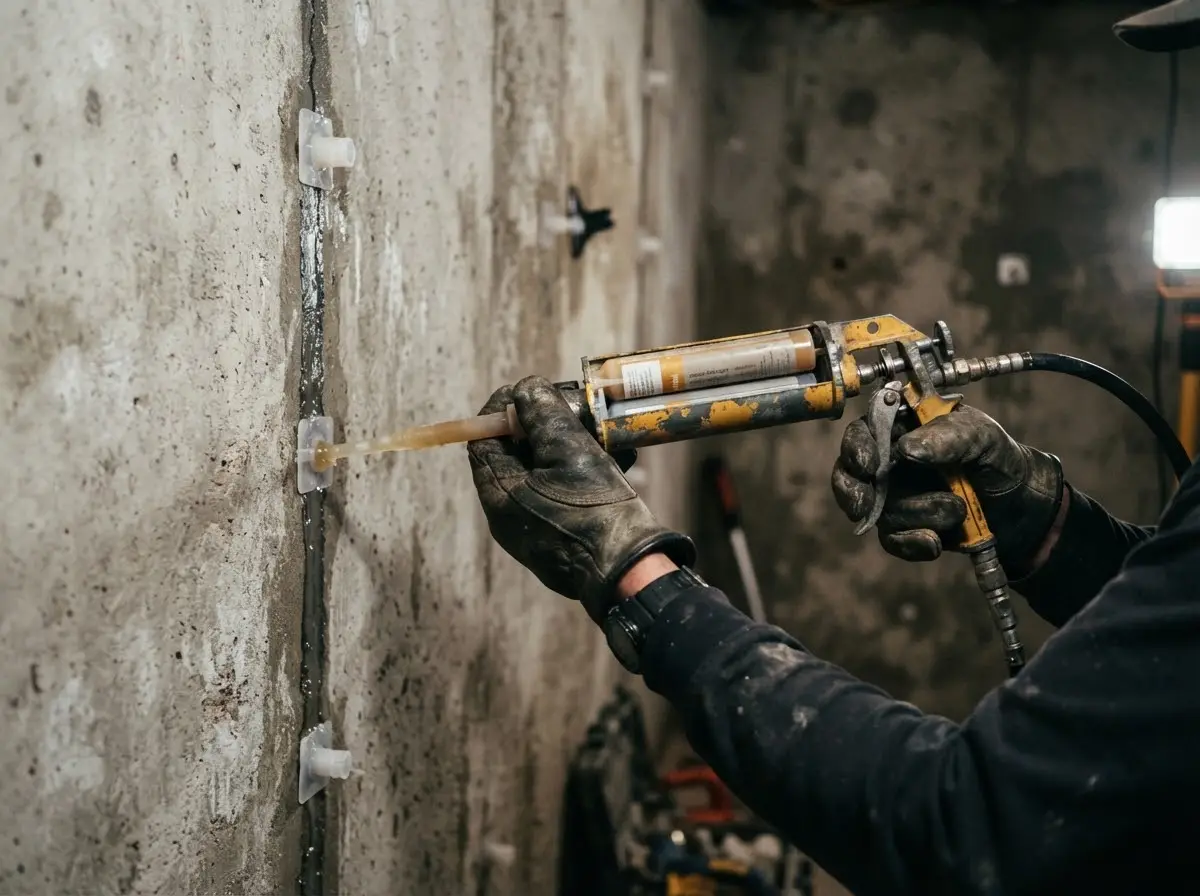
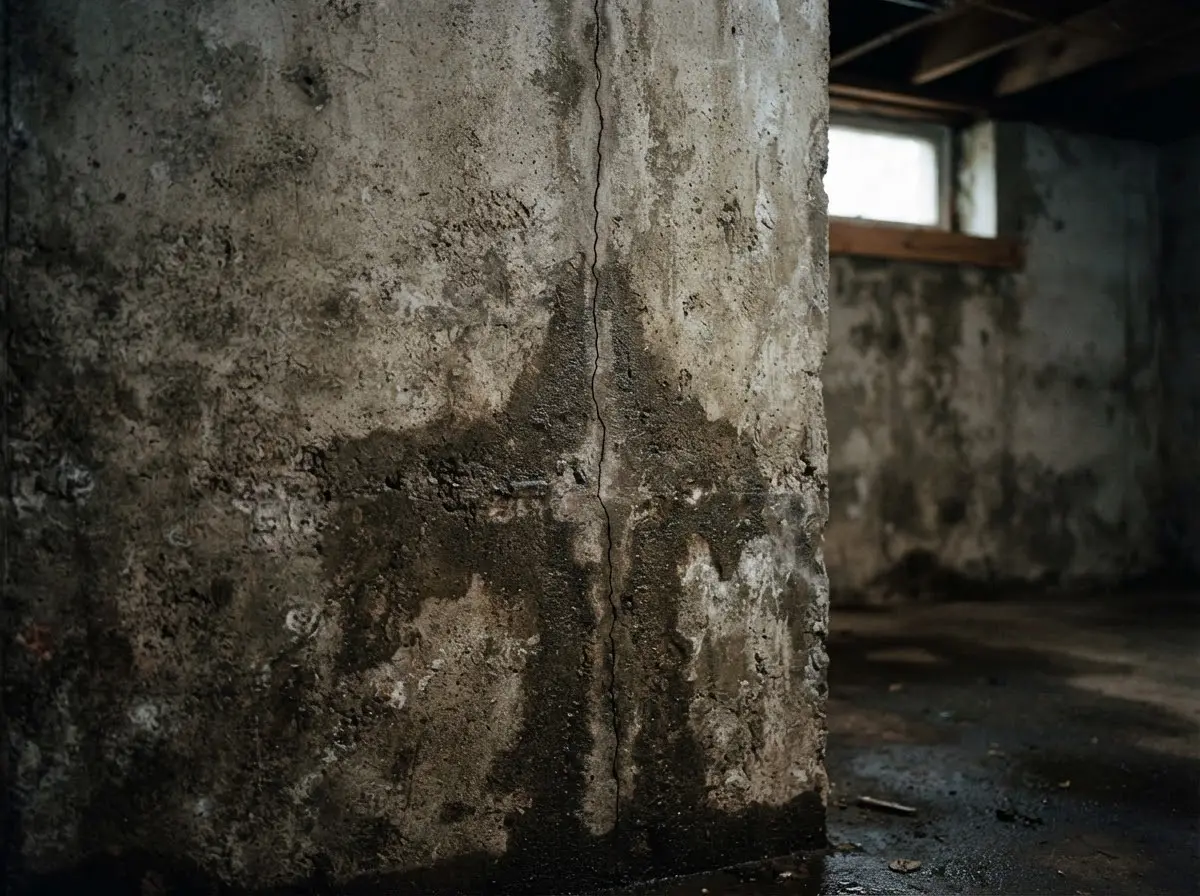
Injected cracks in poured walls, sealed block joints and repointed stone, plus a straight answer on whether a crack is structural.
What the job covers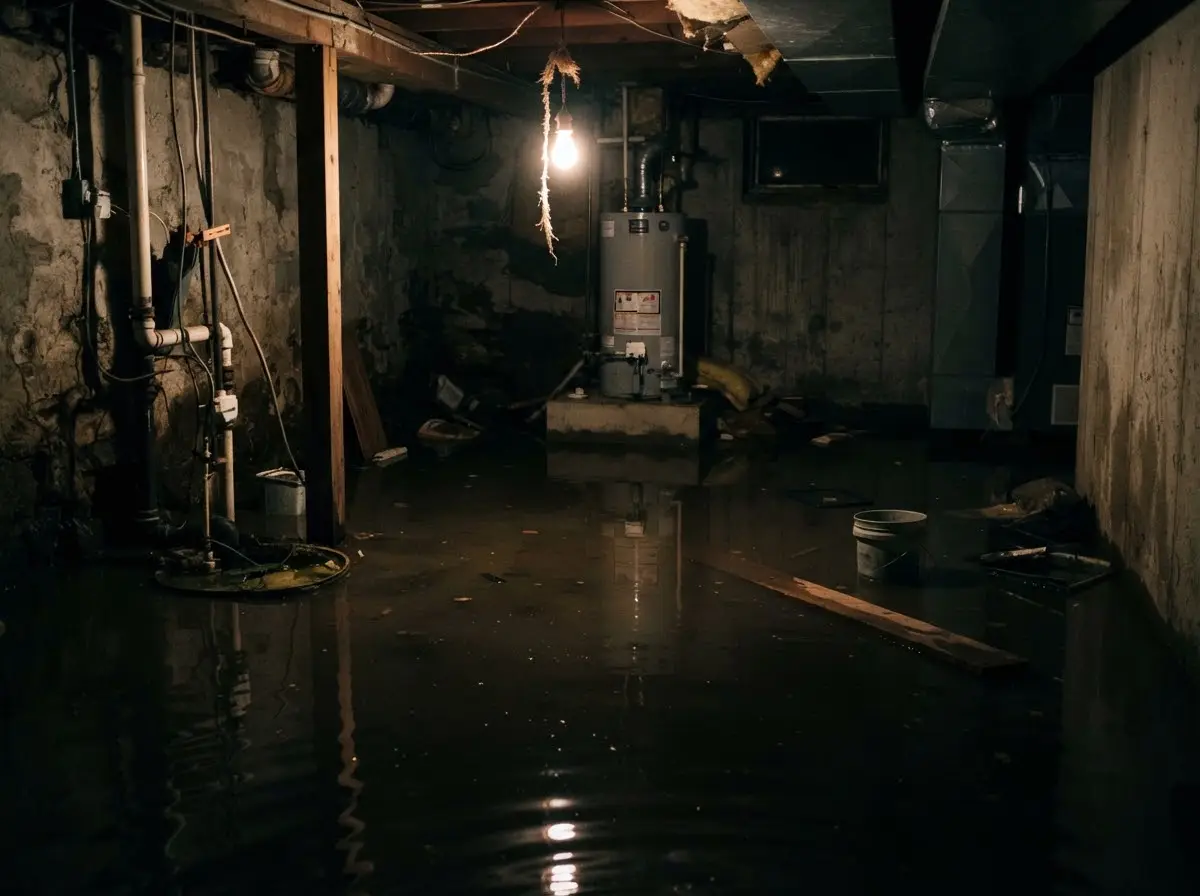
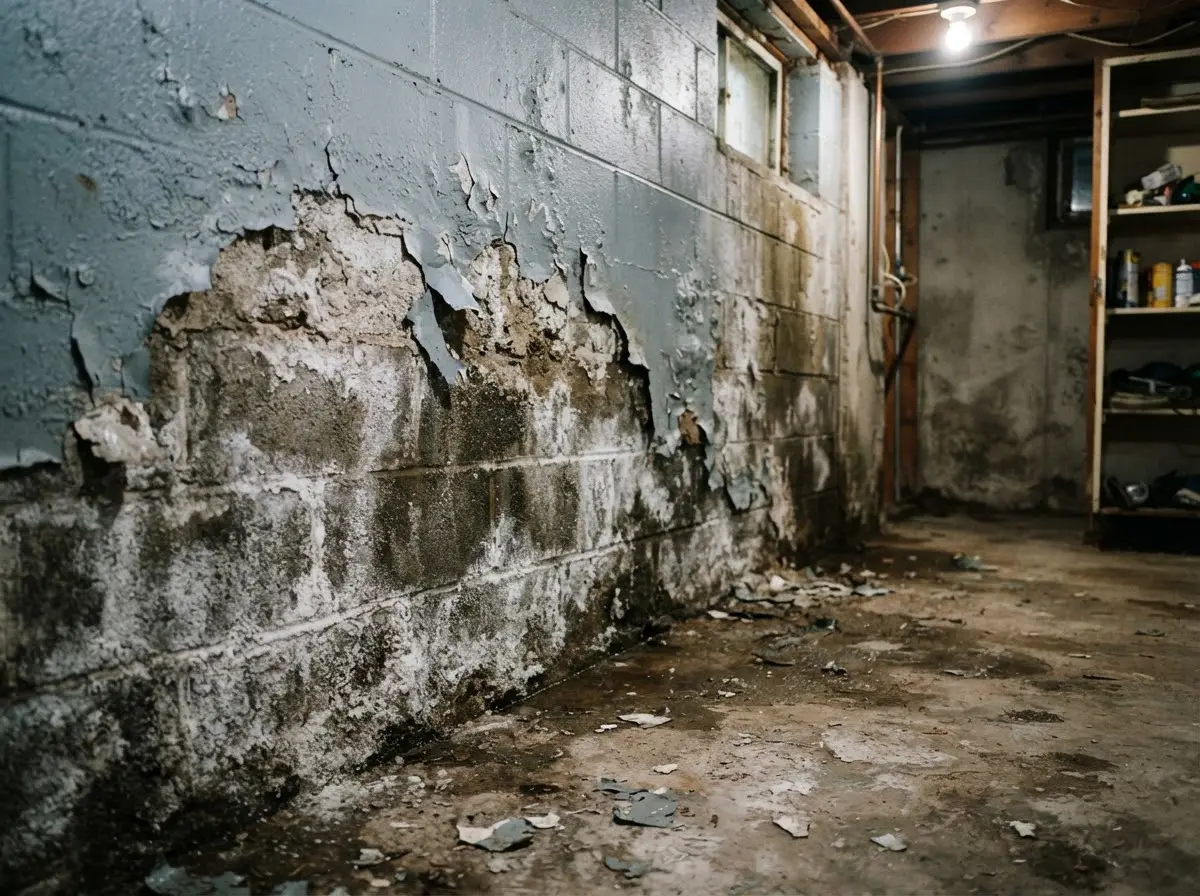
Standing water after a cloudburst or a dead sump. Pumping out, wet carpet and drywall out, then the leak that let it in.
What the job coversThe visit looks at the walls, the sump and the yard, then every line of the job goes on paper before anyone starts.
Ground and weather
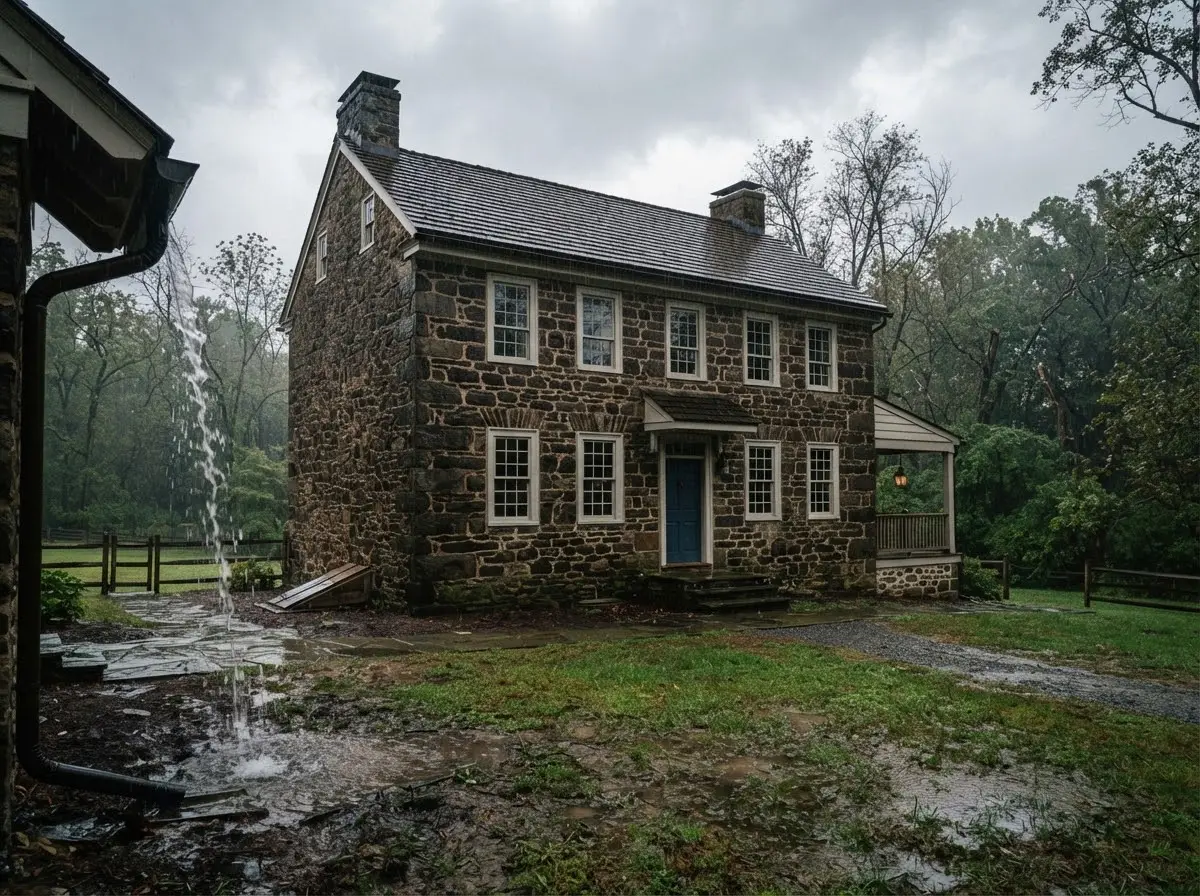
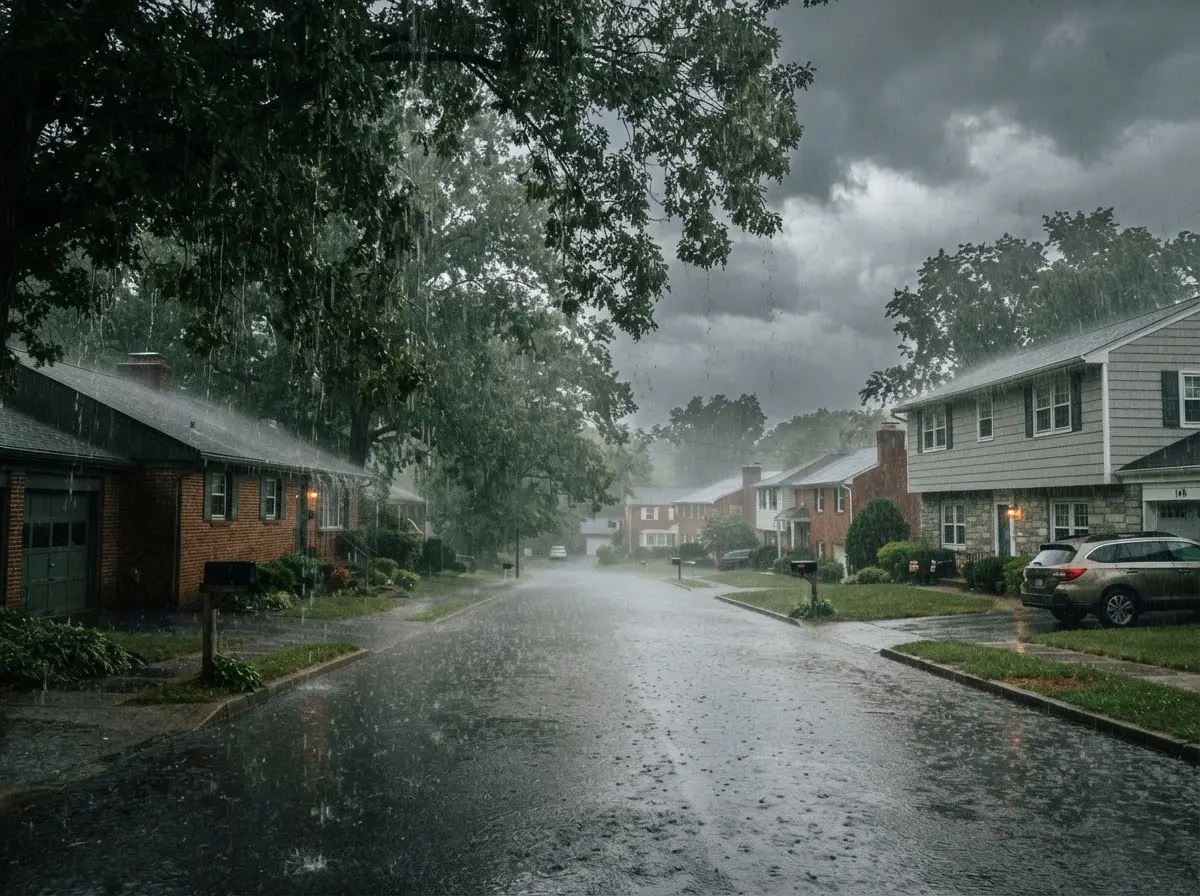
Much of middle and upper Bucks sits on the shale, siltstone and sandstone of the Newark Basin, the Stockton, Lockatong and Brunswick formations the USGS maps under the northern county. In the Croton soils of this shale belt, the USDA soil survey describes water perching above a dense subsoil layer in late winter and early spring, which is when plenty of basements here start to take water.
Lower Bucks is mostly mid-century housing. Levitt and Sons built a little over 17,300 Levittown houses between 1952 and 1958, on concrete slabs with no basements, so calls there are about the slab edge, crawl spaces and later additions. Morrisville and Bristol Township are a little older, with median build years of 1955 and 1958.
The county averages about 45 inches of rain a year at NOAA's Trenton station, wettest from June through August, but the basements that flood usually do it in a burst. Ida dropped 4 to 8 inches across the county in one evening on September 1, 2021, and the July 15, 2023 flash flood in Upper Makefield put down 6 to 7 inches in under an hour. Tell us whether your water comes only in storms like those or every time it rains, because the two point at different fixes.
Inside the system
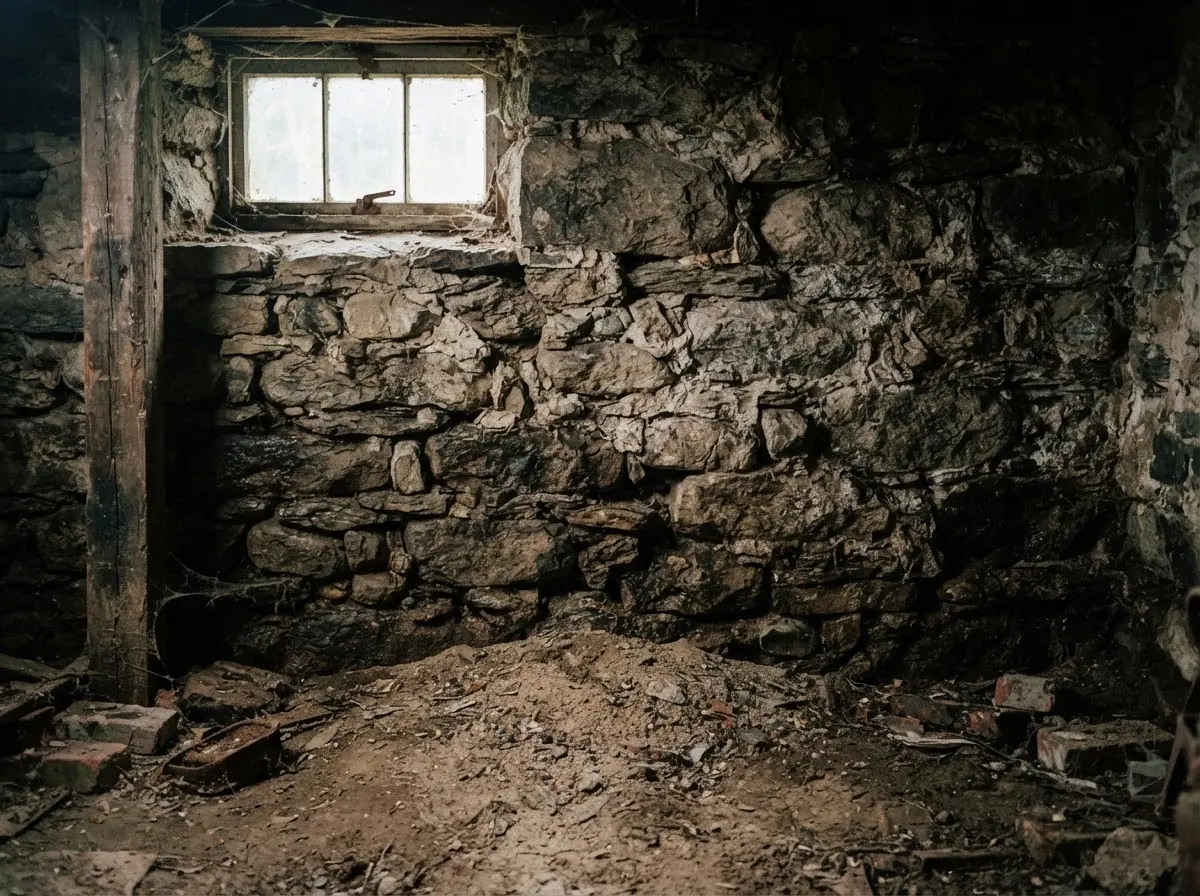
Most leaking basements here end up with an interior perimeter drain: perforated pipe in washed stone along the footing, weep holes into block cores, a sealed sump pit and a discharge line with a check valve that ends well away from the house.
How the system goes inGuides
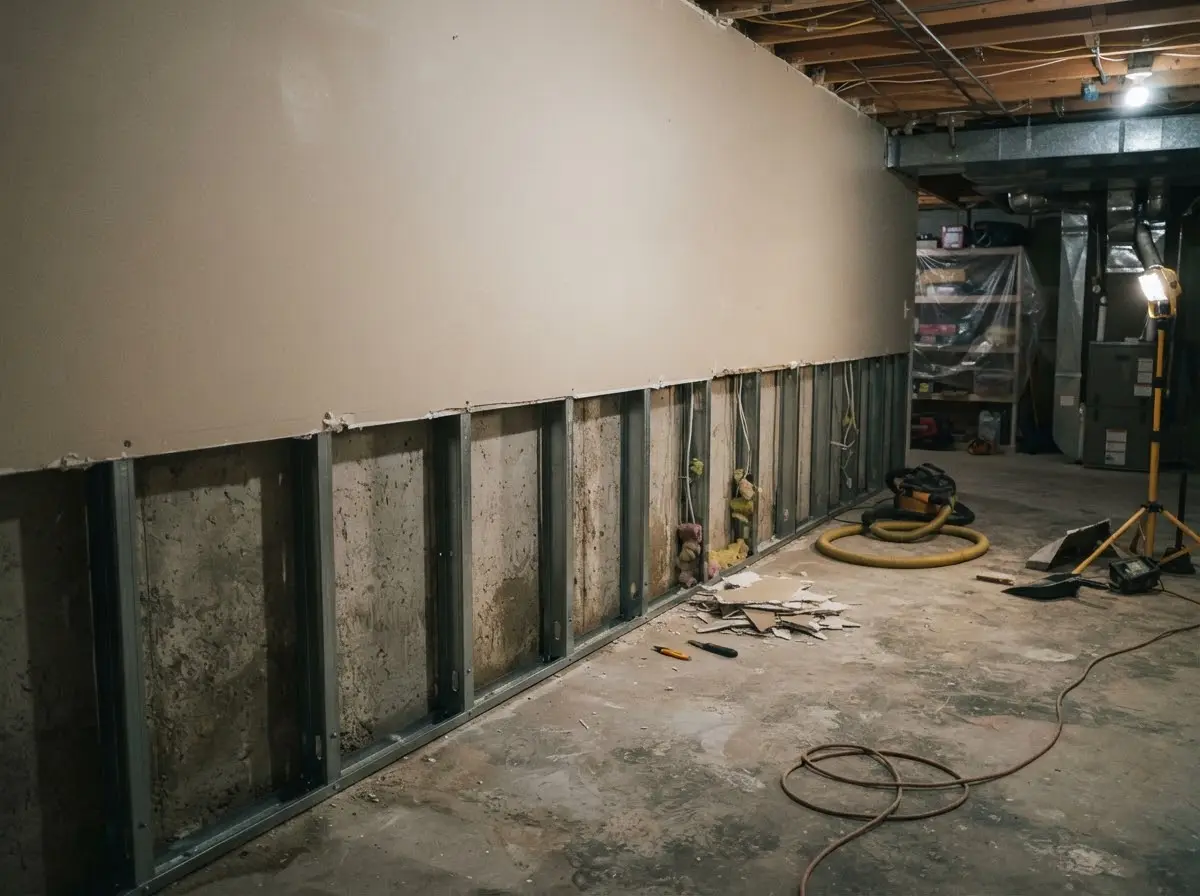
Linear feet of drain, the pump, how many cracks and what has to come off the walls.
Read the guide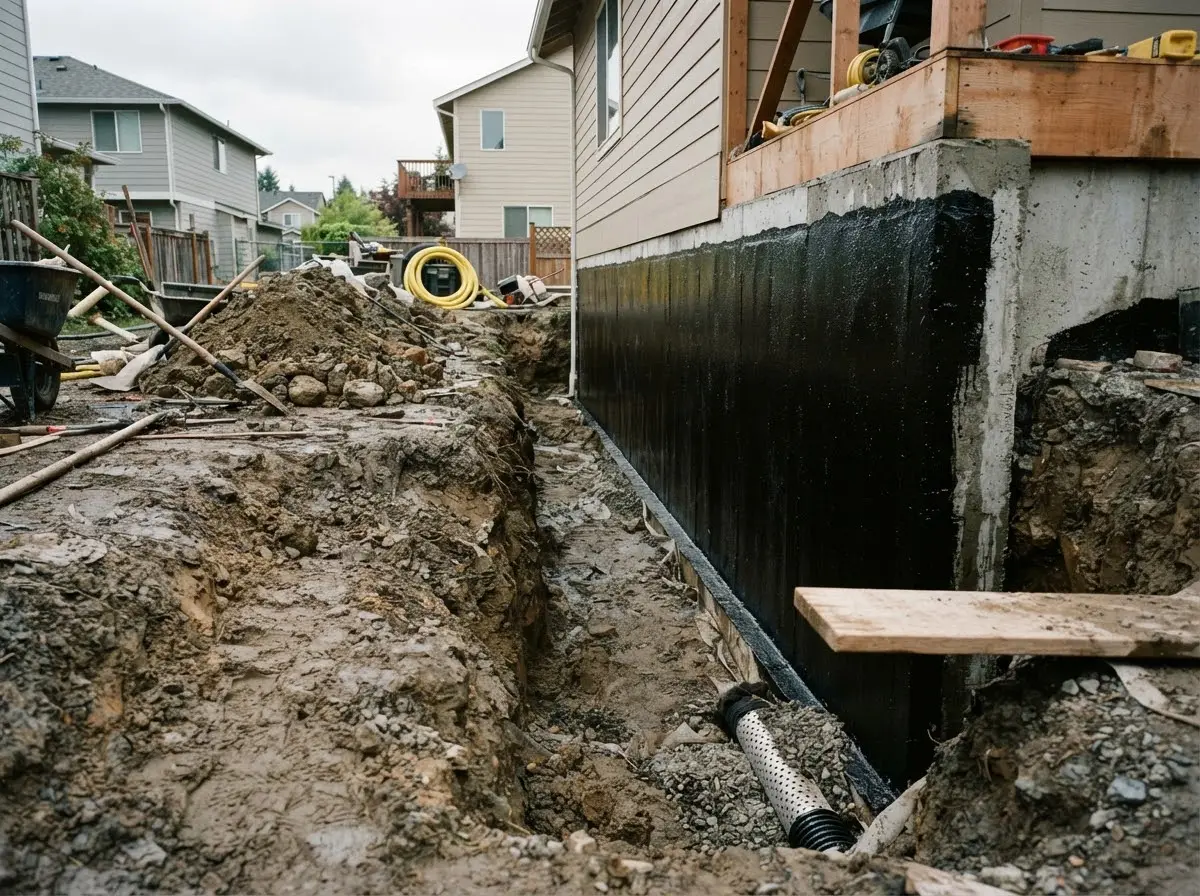
When an inside drain is the right fix, and when the foundation has to be excavated.
Read the guide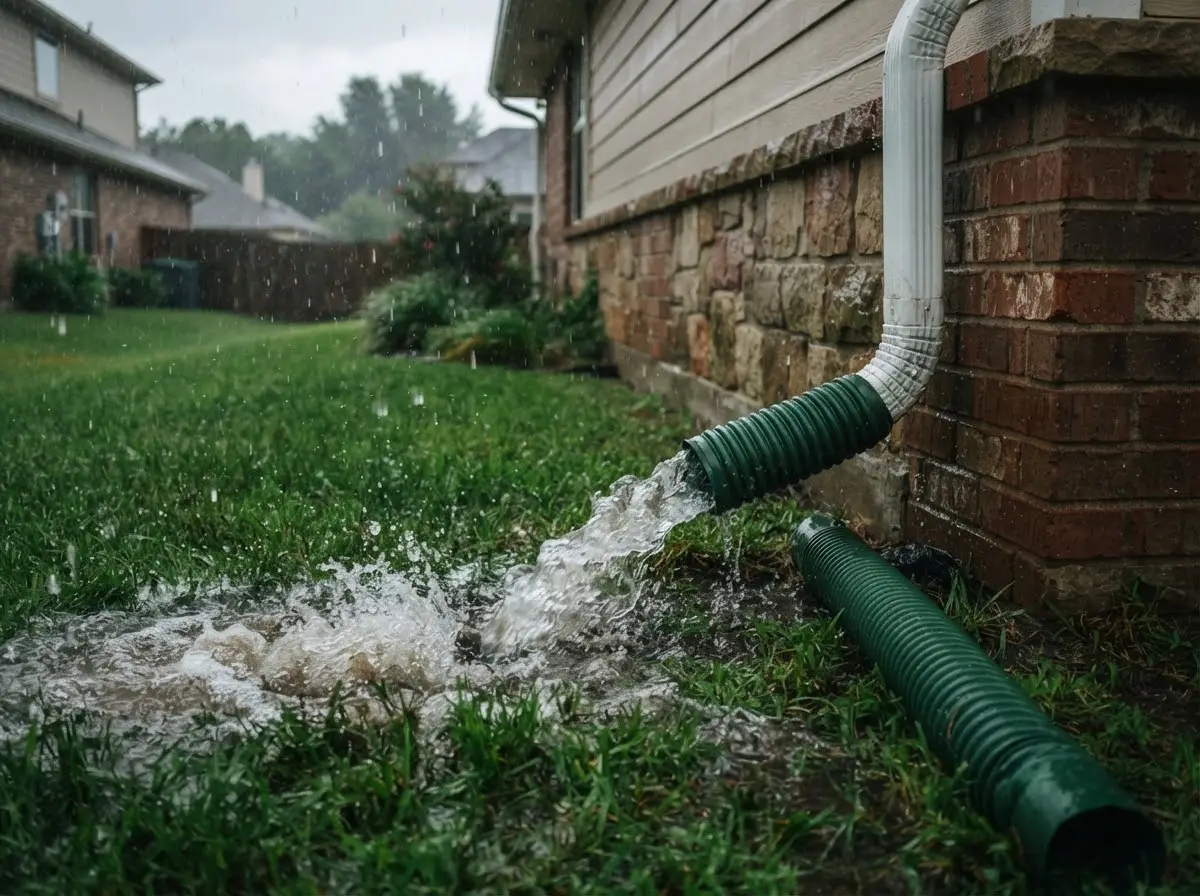
The questions that come up before the visit, answered short.
Read the guideService area
Check the ZIP for the house, not your mailing address if they differ.
Bristol, Bensalem, Croydon, Fairless Hills, Langhorne, Feasterville-Trevose, Levittown, Morrisville, Southampton
Doylestown, Buckingham, Carversville, Chalfont, Danboro, Dublin, Fountainville, Furlong, Holicong, Jamison, Lahaska, Lumberville, Mechanicsville, New Hope, Newtown, Penns Park, Pineville, Pipersville, Plumsteadville, Point Pleasant, Richboro, Rushland, Solebury, Warminster, Warrington, Washington Crossing, Wycombe
Durham, Riegelsville, Springtown, Bedminster, Blooming Glen, Erwinna, Ferndale, Forest Grove, Hilltown, Kintnersville, Line Lexington, Milford Square, Ottsville, Perkasie, Quakertown, Revere, Richlandtown, Sellersville, Silverdale, Spinnerstown, Trumbauersville, Upper Black Eddy, Zionhill
Questions
It depends on where the water shows up. Water only around a pit with a dead pump is a pump job. Water along the base of several walls, with or without a pump, usually means groundwater has no path to the pit, and that takes a perimeter drain.
Yes. Tell us what covers the walls and floor when you call. Stains on drywall, a swollen baseboard or damp carpet along one wall still show where to look, and the price spells out how much finish has to come off to reach the leak.
That timing points at groundwater, not a gutter. In the slow-draining shale soils across much of the county, water perches above a dense subsoil layer in late winter and early spring and presses on the walls until the ground dries out. A perimeter drain is built for exactly that.
Yes. Slab houses get water at the slab edge, under doors at grade and in crawl spaces and later additions. Say on the call which part of the house gets wet and whether it is the original slab or an addition.
It should. Downspouts that dump against the foundation and soil that slopes toward the wall send roof water straight down the outside of the basement. Fixing those first can shrink the inside job, or on a light leak, replace it.
The first call
Every repair gets priced in writing after the walls are looked at, so you know the number before a drill touches the floor.