Emergency water removal
Emergency Basement Water Removal Across Bucks County
Shut off the basement's power if the panel is reachable from a dry spot, then call. Pumping out comes first, then finding how the water got in.
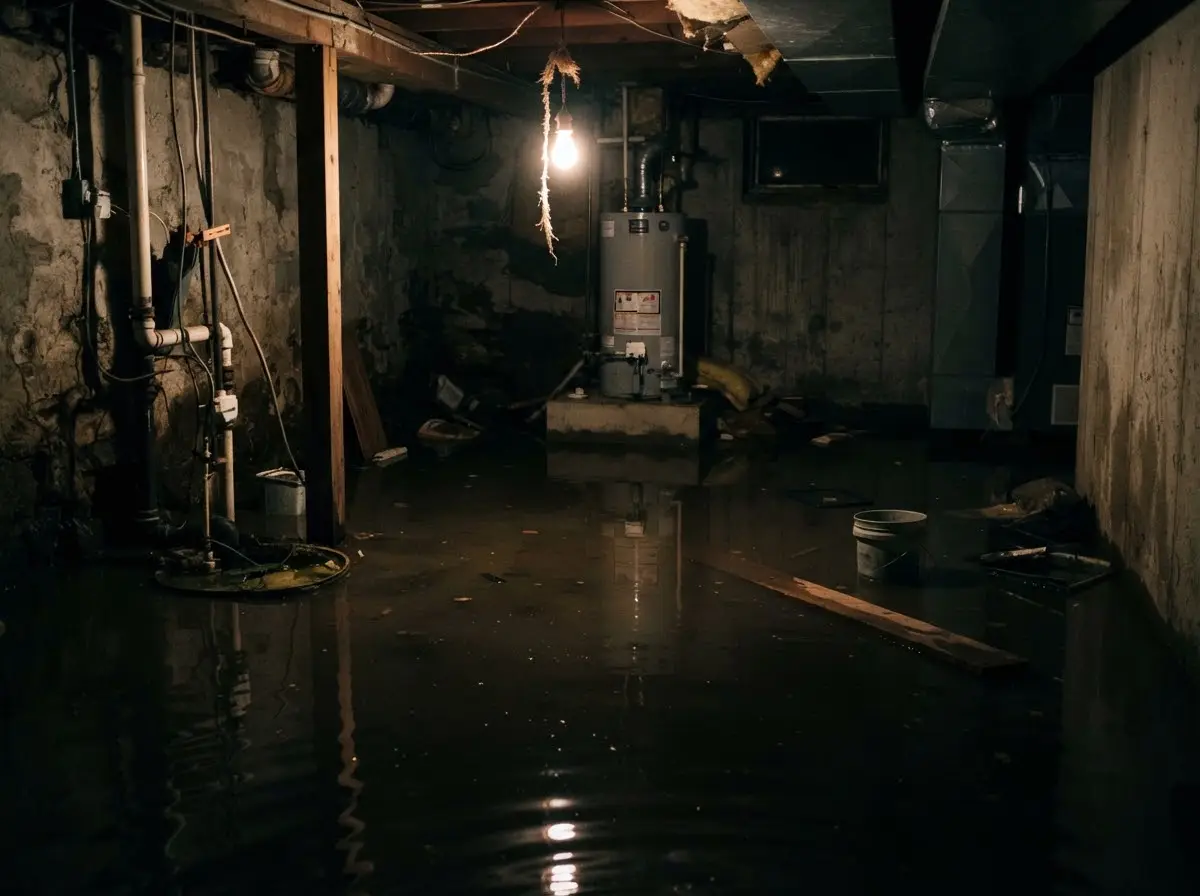
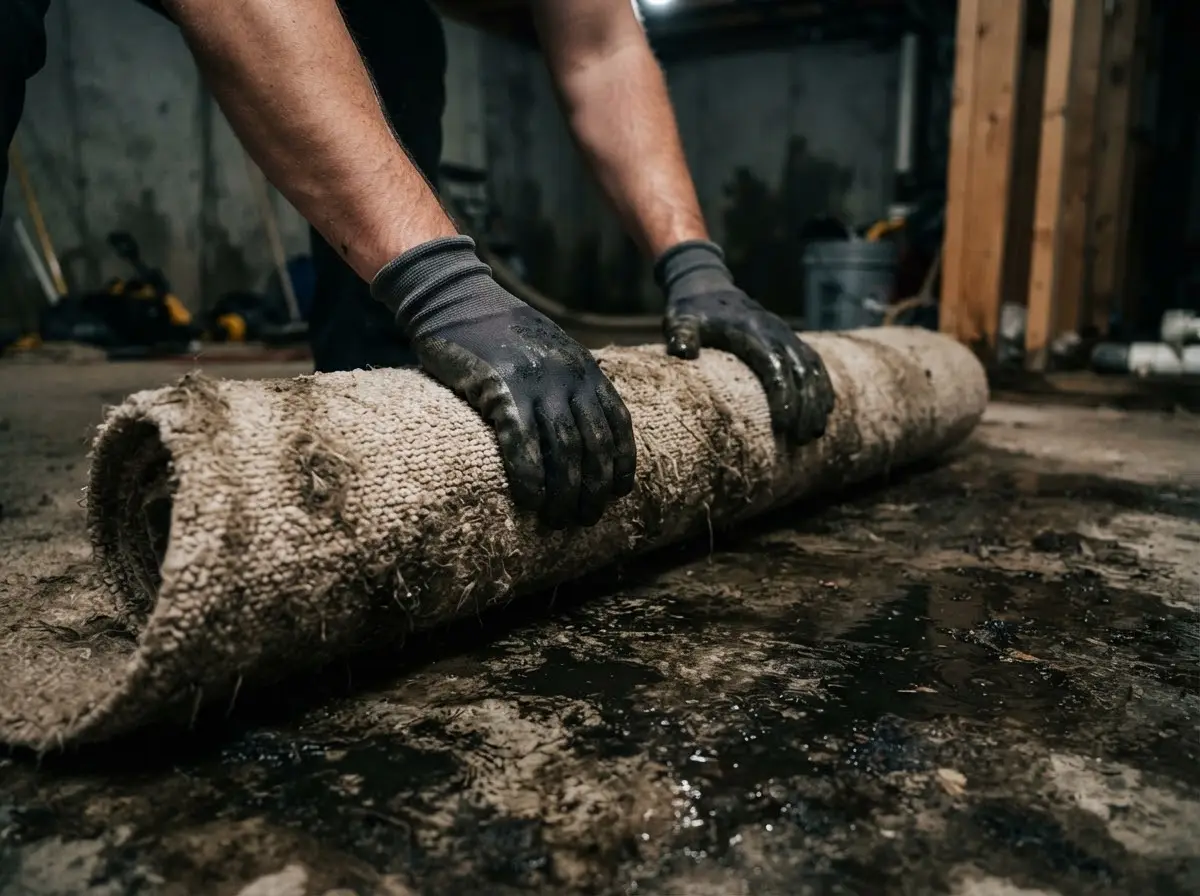
Bucks County Waterproofing takes calls about flooded basements across Bucks County, from a few inches at the floor drain to water over the bottom stair. When you call, the visit is set up to pump the water out, pull the wet material and start drying, then to find out why it came in. These steps keep you safe and keep the damage from spreading until then.
- Stay out of the water if it could reach outlets, cords or appliances. Watch from the stairs.
- Cut the power to the basement at the panel, only if you can get to it without standing in water. If the panel is in the flooded room, leave it.
- Shut the main water valve if the water is coming from a pipe or the water heater, not the rain.
- Lift what you can reach from dry ground: boxes, papers, rugs at the edge of the water.
- Take photos and a short video of the water line, the floor and what got wet, before anything gets thrown out.
- Call and say how deep the water is, whether it's still rising, and whether the sump pump is running.
Source first
Where the water came from
The source decides how the cleanup is done and what fixes the problem afterward. Tell us what you can see.
| Source | What it looks like | What comes after the pump-out |
|---|---|---|
| Groundwater through the walls or floor | Water spreads from the base of the walls or rises at the floor joint during or after heavy rain | Pump out and dry, then a drain or crack repair so the next storm stays outside |
| A sump that failed or fell behind | The pit is full or overflowing; the pump is silent, humming or running nonstop; the power went out | A replacement pump, a check on the float and check valve, and a battery backup if outages caused it |
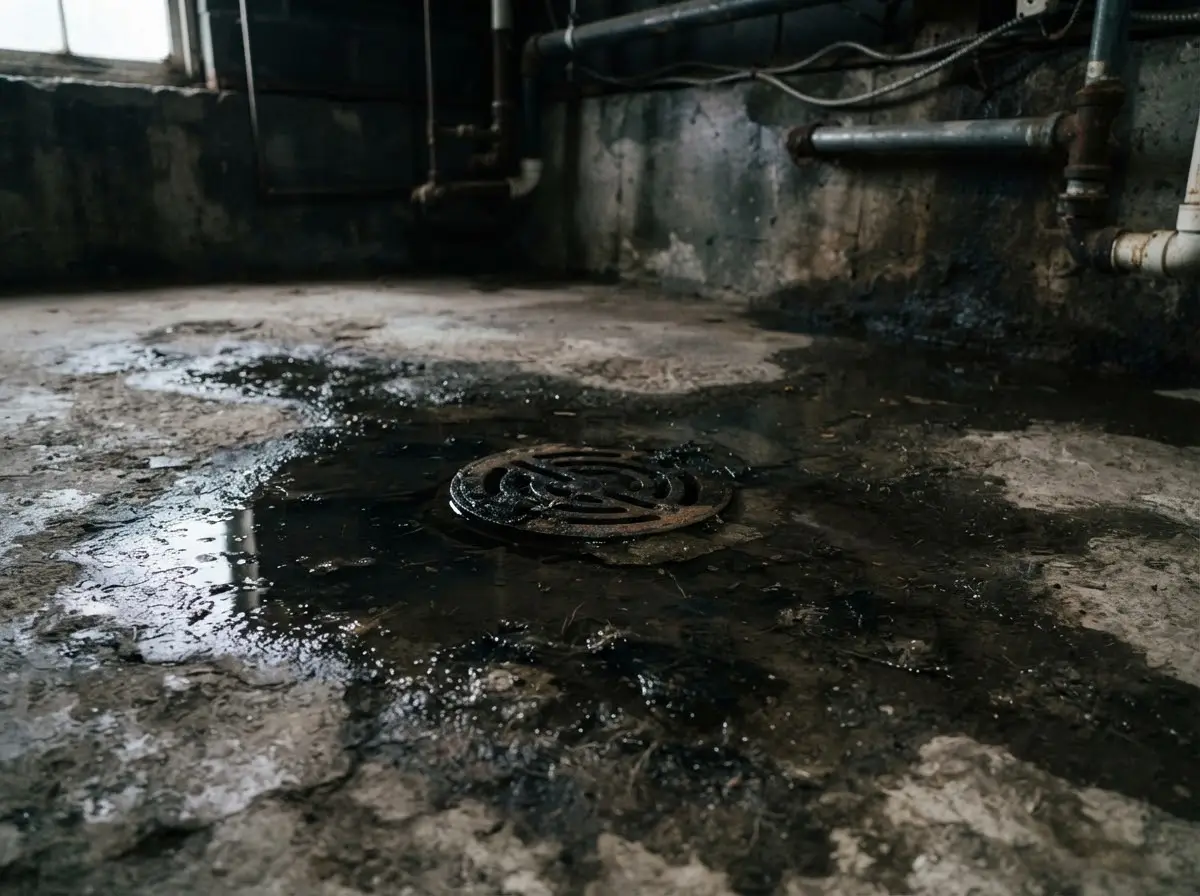
| Sewer or floor drain backup | Water comes up through the floor drain or toilet, often gray or brown, with a sewage smell | Treated as contaminated water: soaked porous material comes out and the area is disinfected before drying |
| A burst pipe or water heater | Water keeps coming whether it rains or not; a hiss, a spray or a tank sitting in a puddle | Shut the main valve first. Cleanup is the same as clean water, and the plumbing repair comes before anything else |
On site
Pump-out, tear-out, dry-out
The first visit works in this order, and each step is listed on the written price.
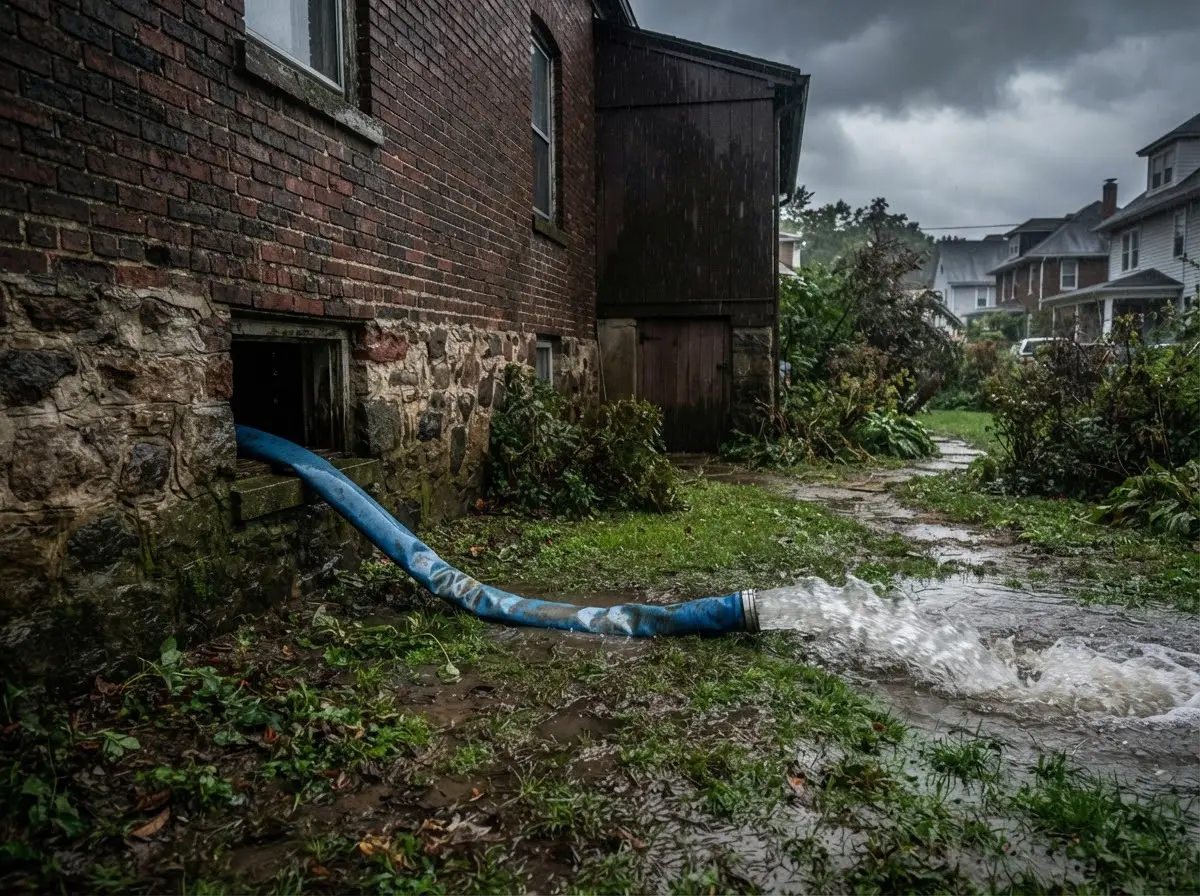
Water out
Deep water comes out with a pump hose run out a window or door. The last inch or so gets pulled off with extractors, including out of the carpet.
Wet material out
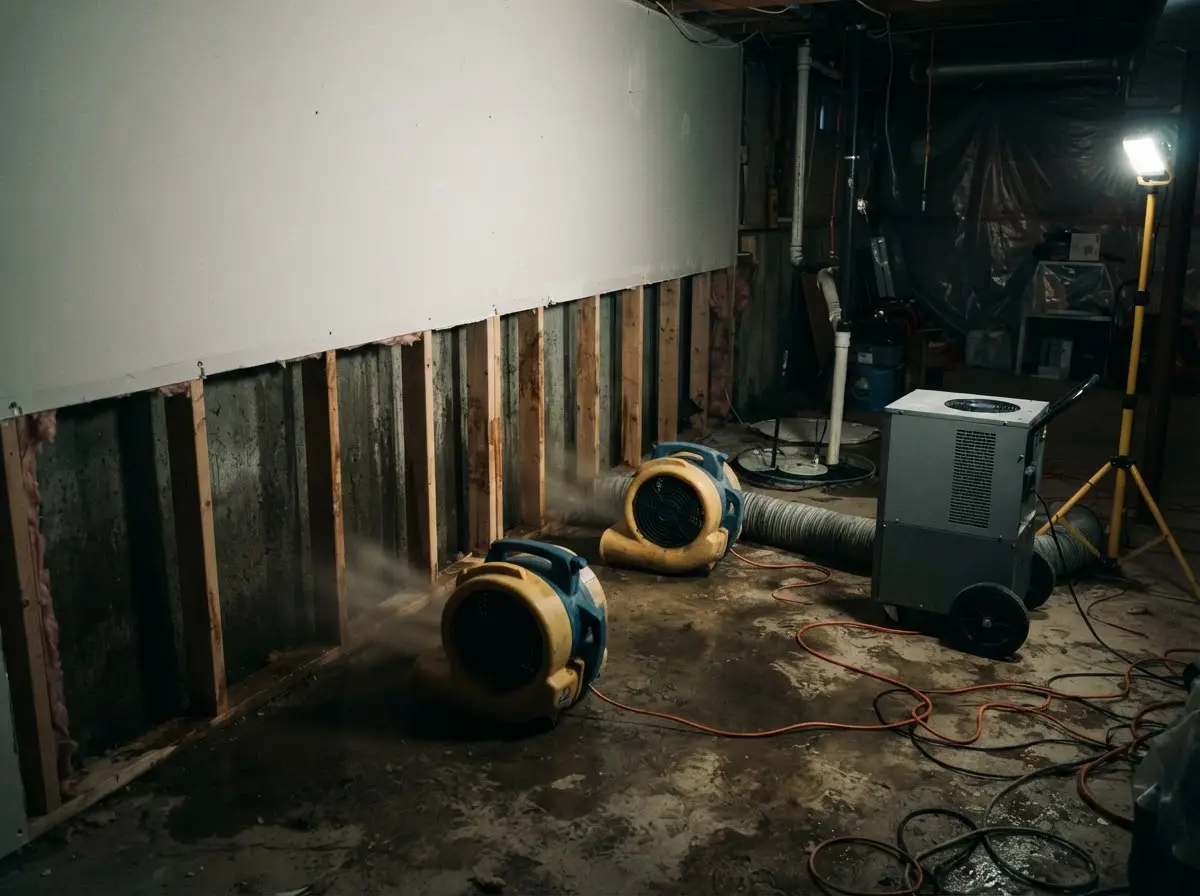
Carpet pad, soaked insulation and the drywall below the water line, plus a margin above it where it has wicked up, get cut out and bagged. Leaving wet drywall in place keeps the wall cavity damp for weeks.
Air moving and moisture readings
Fans and dehumidifiers go in and run around the clock. The EPA's guidance is to dry water-damaged materials within 24 to 48 hours to head off mold, which is why the tear-out happens on the first visit, not after the weekend. Readings in the walls and slab show when the room is actually dry.
The leak itself
Once the floor is clear, the walls, the sump and the outside of the house get looked at, so the price for keeping the next storm out comes with the cleanup price, not months later.
After a big storm
When every basement on the street floods at once
Ida brought more than 2,000 emergency calls to Bucks County 911 in a single night in 2021, and storms that size put water into basements up and down a street at once. Afterward the question is whether the house needs a system at all, or whether the ground was simply overwhelmed for a day. The water and weather section on the home page covers how the county's ground behaves.
The answer usually comes from the history. A basement that stayed dry through years of ordinary rain and flooded once in a record storm may need little more than a better pump and a backup. One that takes water every spring and then filled up in the storm needs the drain. Say which one yours is when you call, and the visit is set up for it.
Keep the photos from the first hour together with the written price and the moisture readings. Standard homeowners policies often leave out flood and seepage (the insurance answer in the FAQ has more), but whatever your policy says, that record is what anyone looking at the loss will ask for.
Questions
Flooded basement questions
Is the water safe to walk through?
Not if it could reach an outlet, a power strip or anything plugged in, and not if it came up through a floor drain, which can mean sewage. Stay on the stairs, keep kids and pets out, and wait until the power to the basement is off.
Will the furnace and water heater be all right?
Any gas or electric appliance that sat in water needs checking before it runs again. Don't relight a pilot or flip a furnace switch that got wet. Mention on the call which appliances the water reached.
How long does drying take?
There's no set number of days. Drying is done when moisture readings in the walls and floor come back to normal, so ask for the readings to be taken and written down each visit until they do.
Does everything that got wet have to go?
Carpet pad, soaked drywall and insulation almost always do. Solid wood furniture and plastic bins usually dry out. After a sewer backup the rule tightens: anything porous that sat in that water comes out.
The first call
Our first question is how deep the water is and whether it's still coming in.
Then the visit gets the water out, the wet material out and the drying started, with each step priced in writing first.